news
DJI Now Ships More Cameras Than Every Japanese Maker Combined
New IDC data shows the handheld smart camera market hit 16.65 million units in 2025. The camera industry's center of gravity has moved.
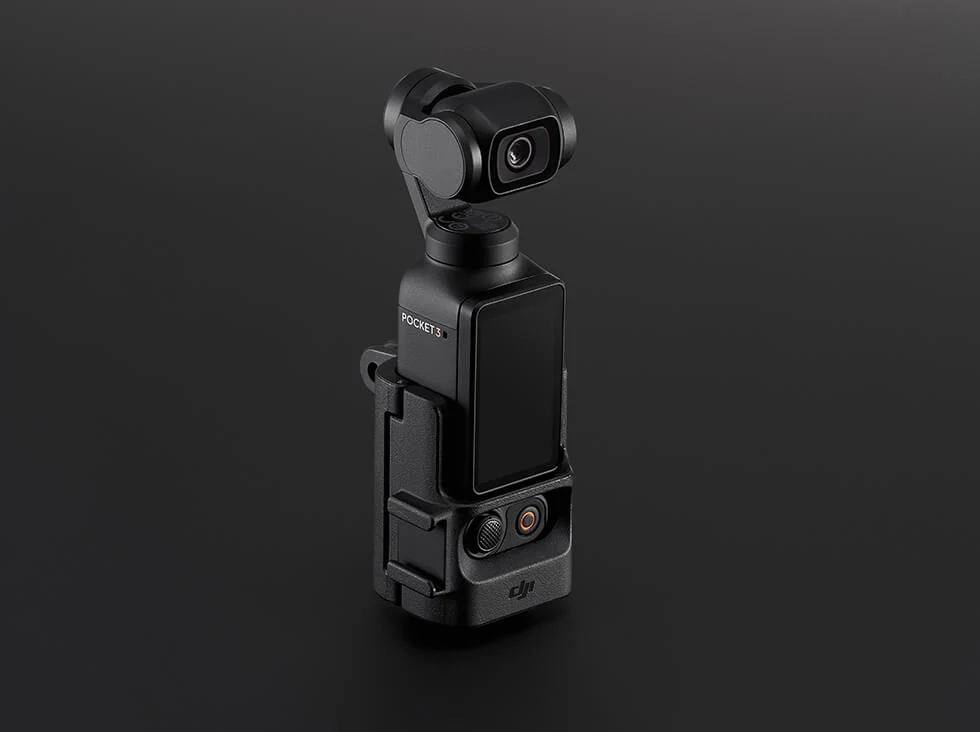
Excellent Photo / DJI
According to new research from IDC, DJI shipped 10.4 million handheld cameras in 2025, the first time the company has passed the ten-million mark. For comparison, every member company of CIPA, the Camera and Imaging Products Association, shipped 9.44 million digital cameras combined across mirrorless, DSLR, and compact lines. One Chinese company now outsells the entire traditional Japanese camera industry.
IDC's handheld smart camera category covers action cameras, 360-degree cameras, and gimbal cameras such as the DJI Osmo Pocket series. The segment reached 16.65 million units in 2025, up 83 percent year over year, and IDC expects it to reach 40 million units by 2030. In the second quarter of 2026 alone, the market grew 57 percent to nearly 5.9 million units, with DJI taking about 73 percent share and Insta360 about 20 percent, leaving GoPro and everyone else under a tenth of the market.
Two different industries
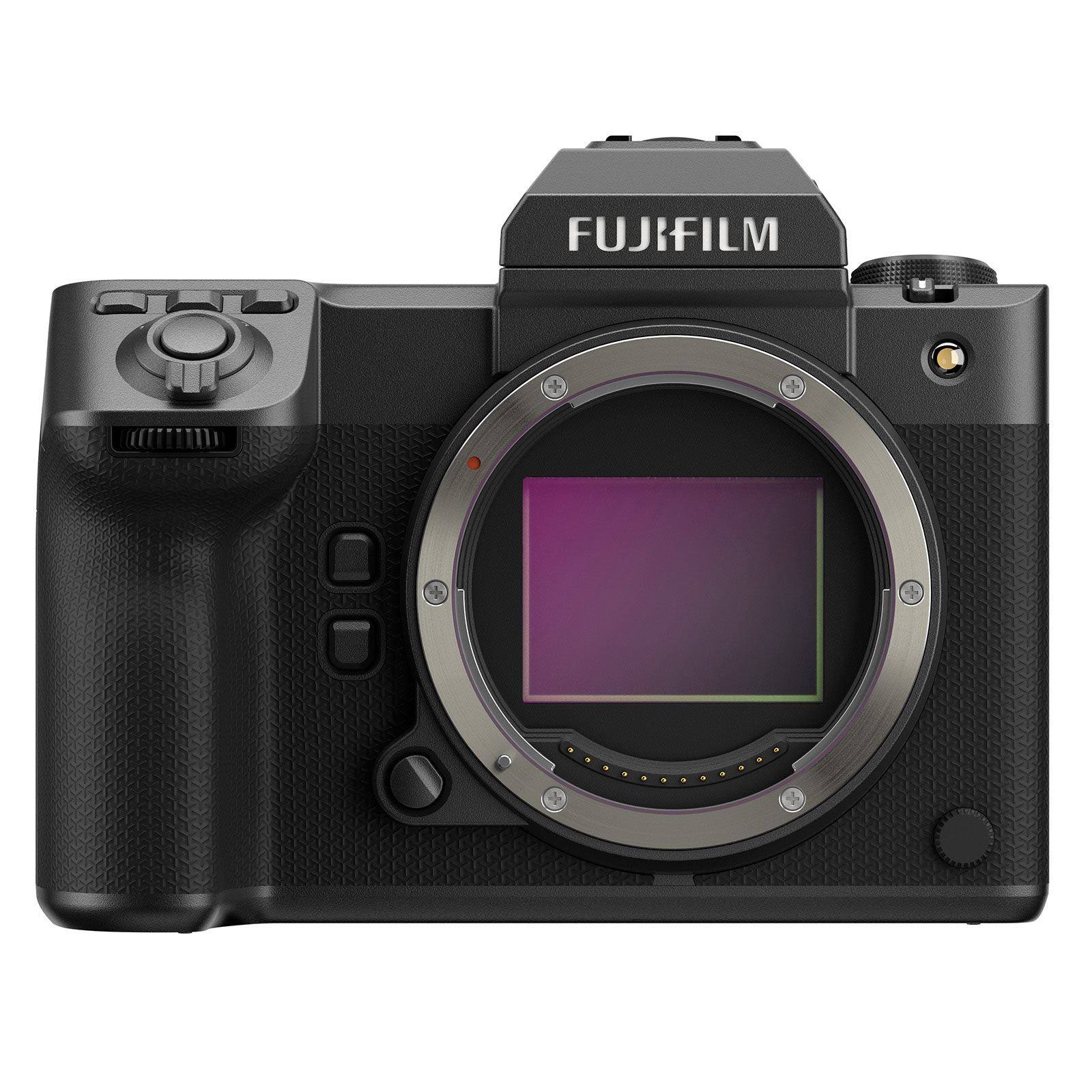
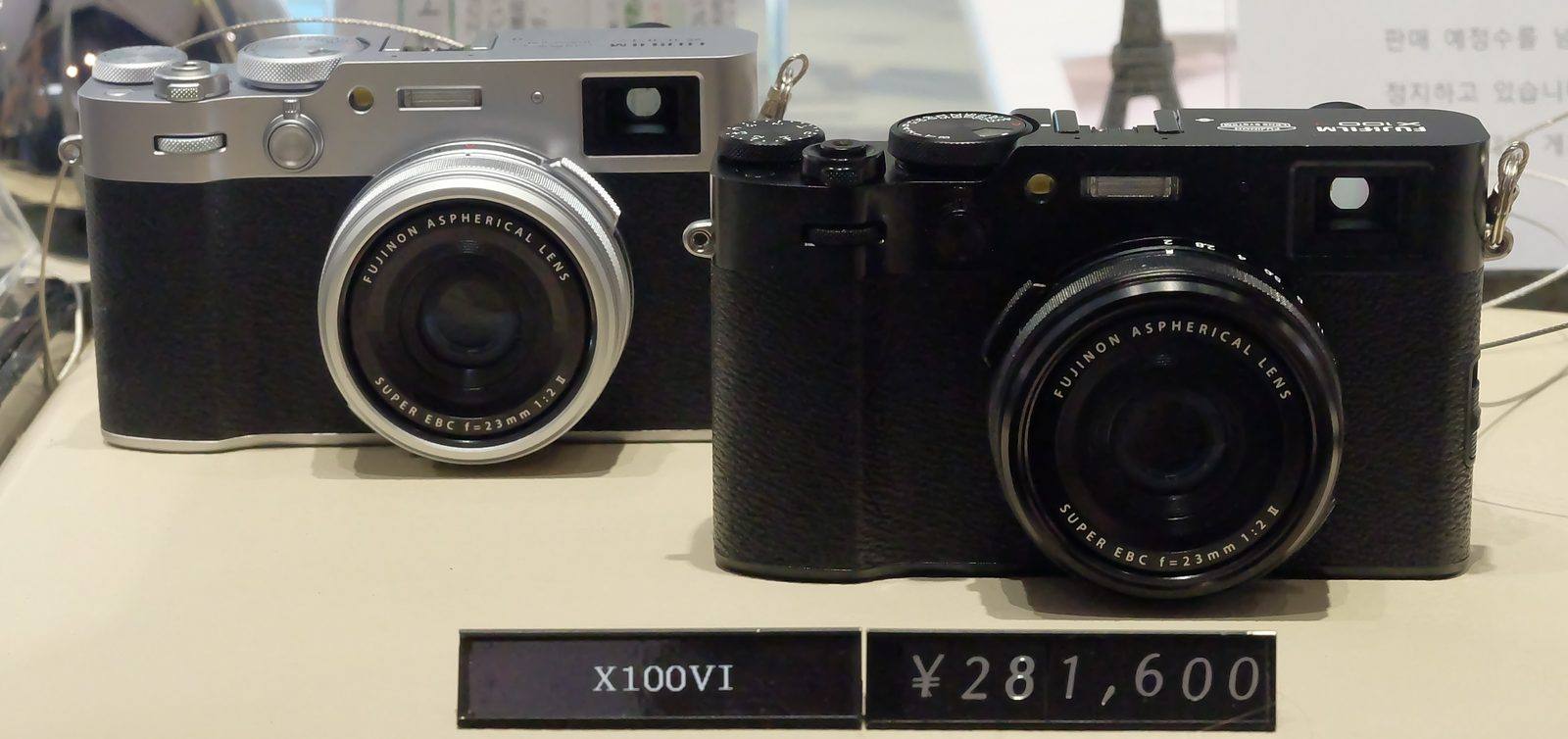
The comparison needs a caveat, and it is an important one. IDC is counting a different product from CIPA: stabilized, pocketable video cameras, not interchangeable-lens stills cameras. DJI and Insta360 are not competing for the mirrorless buyer; they built a category around stabilization, mobility, and first-person capture, the travel video, creator content, and aerial use cases where traditional makers have minimal presence. The mirrorless market itself is healthy at the top end: CIPA's 2025 total of 9.44 million units was the industry's fourth straight year of growth and its highest since 2019.
Still, the direction of travel is unmistakable. In the first half of 2026, handheld smart cameras grew close to 50 percent year over year while CIPA interchangeable-lens shipments slipped about 5 percent. And there is a symmetry worth noting for readers of this publication: DJI holds a majority stake in Hasselblad, which means the company now sits at both ends of the market, from the pocket gimbal to the medium-format flagship.
What it means for the premium market
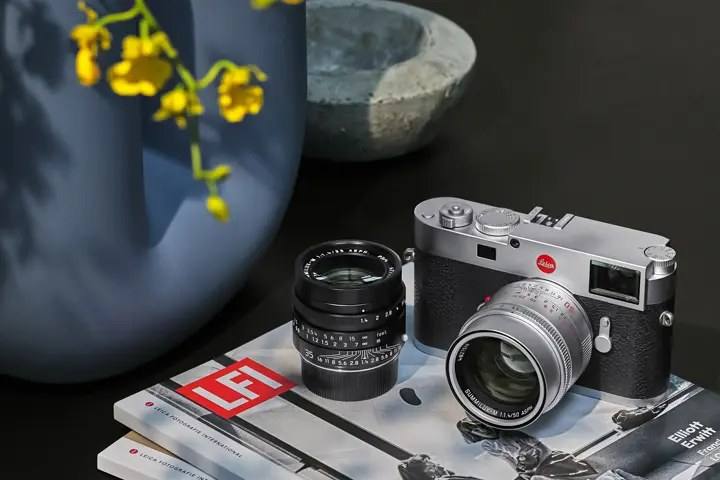
None of this displaces the high end. If anything, it clarifies it. The mass market has voted for stabilized video in the pocket; the enthusiast and professional market has consolidated around interchangeable-lens systems, medium format, and rangefinders, where unit volumes are smaller and margins are defended by optics, not sensors. The industry is no longer one market. It is two, and they are growing in opposite directions.
Spotted an error? We correct openly: see our corrections policy.