news
Fujifilm Raises Prices Across the Lineup in Japan
Effective October 1, digital cameras, one lens and the Instax range cost up to 23 percent more in Fujifilm's home market. The company points to materials, manufacturing and logistics costs.
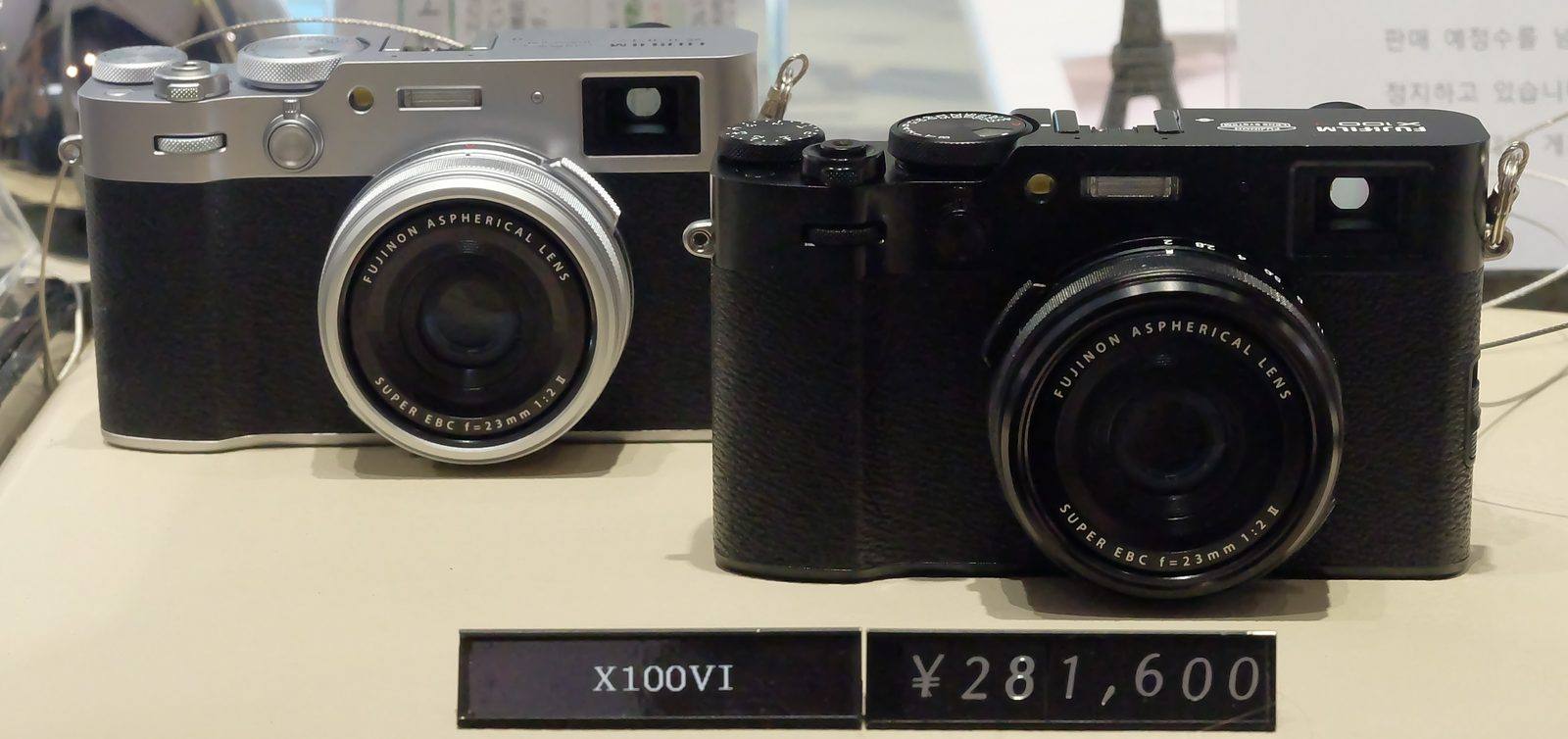
昼落ち, Wikimedia Commons (CC0 public domain)
On September 30, one day before the new prices took effect, Fujifilm Imaging Systems issued a price-revision notice for its home market. As of October 1, 2026, a substantial part of the company's photographic lineup costs more in Japan: digital cameras by about 6 to 15 percent, one interchangeable lens by about 12 percent, and Instax instant cameras by 6 to 23 percent. Smartphone printers rise by 7 to 12 percent. The company attributes the move to the rising cost of parts and materials, manufacturing and logistics, and states that efficiency improvements could no longer absorb the difference.
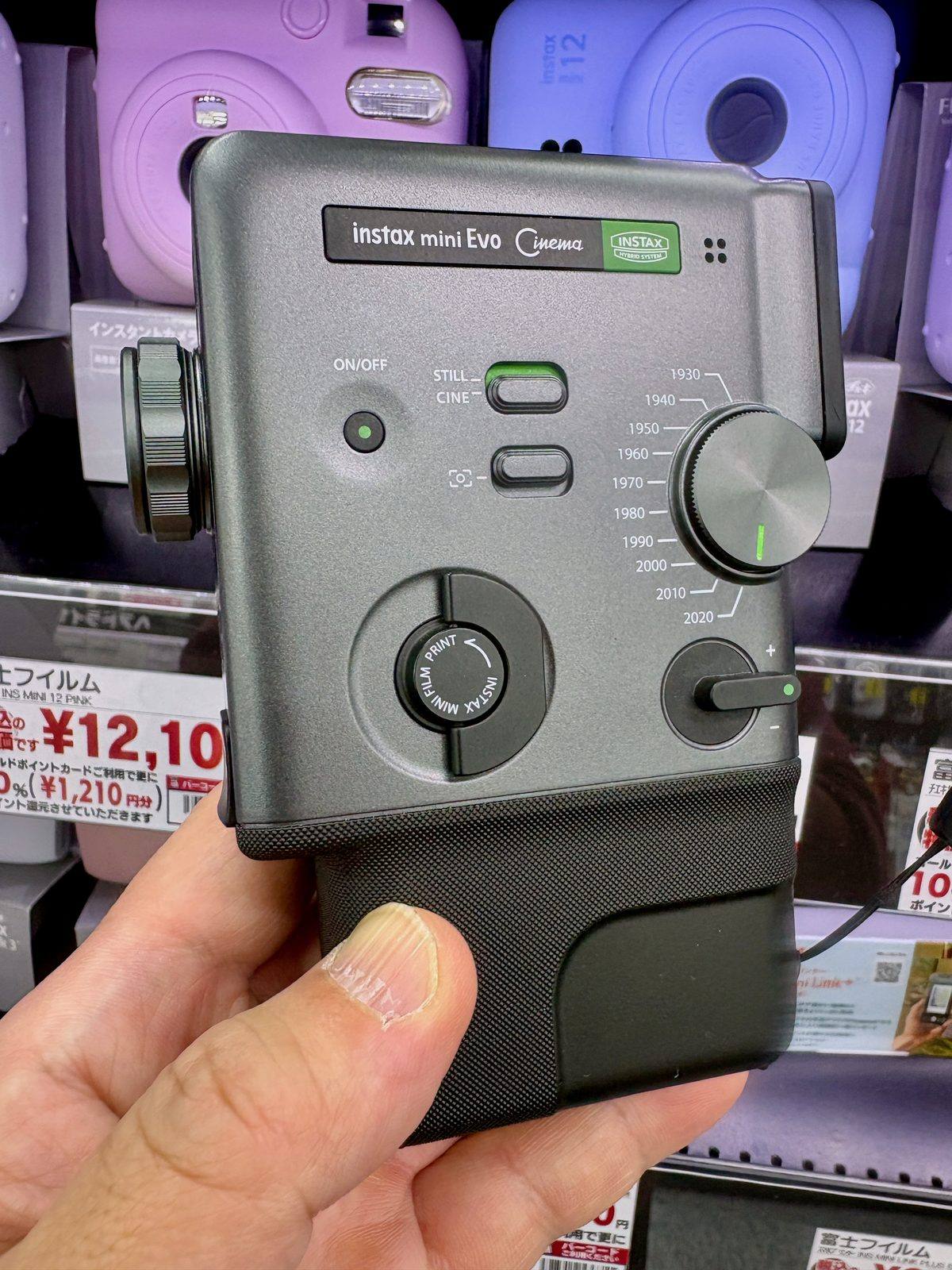
The medium-format line is affected in full. The GFX100 II, the GFX100S II and the GFX100RF, the three current GFX bodies, are all repriced. On the X Series side the revision is narrower: the X-T50, the X-T50 kit with the XC 15-45mm lens, the X-E5 in body-only and kit form with the XF 23mm f/2.8 R WR, and the X100VI. Only one standalone lens moves, the XF 500mm f/5.6 R LM OIS WR, up about 12 percent. The Instax side carries the steepest increases: the mini LiPlay and LiPlay+, the mini Evo, the Mini Evo Cinema and the Wide Evo all rise, with the top of that range, 23 percent, the largest single increase in the notice. The mini Link 3 and SQ Link printers follow at 7 to 12 percent.
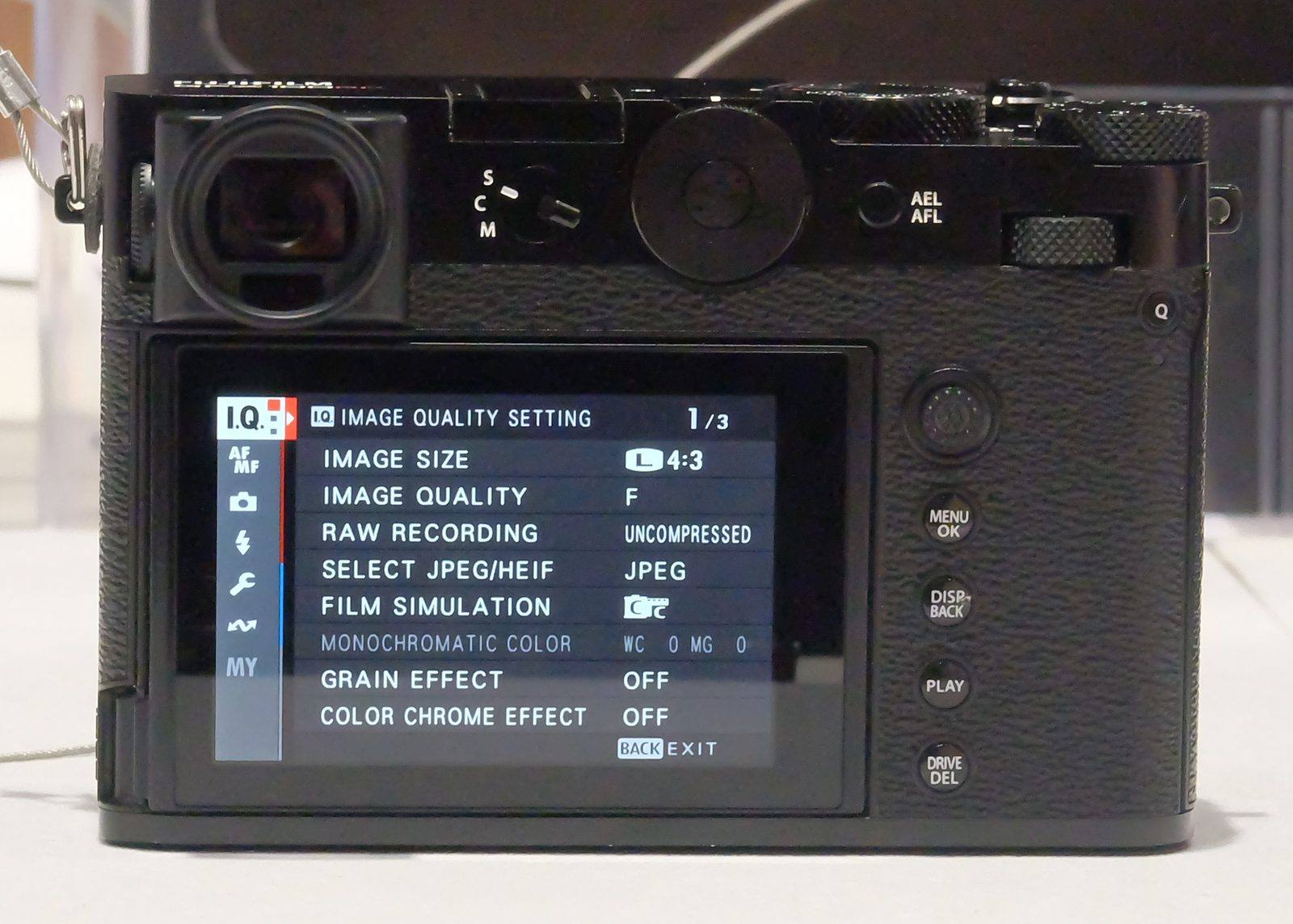
昼落ち, Wikimedia Commons (CC0 public domain)
There is precedent, and it is recent. In April 2025 Fujifilm raised prices on analog products in Japan by up to 52 percent, again citing materials costs. European prices were revised upward by 5.3 to 11.1 percent not long before this announcement. The October revision, however, applies to Japan only. No change has been announced for the United States, where Fujifilm raised prices earlier.
What the notice does not touch is as interesting as what it does. No GFX lenses are repriced, and the revision covers selected products rather than the full catalog. Reading the PetaPixel account of the notice, the pattern is targeted: the products where cost pressure is most acute and demand most resilient move, and the rest wait. Fujifilm is choosing its moments.
What it signals
Camera makers rarely move prices mid-cycle across this many products at once, and they do it still more rarely with a day's notice. The breadth of the revision suggests cost pressure that is structural rather than tactical: not a single expensive component, but the accumulated weight of materials, factory costs and freight. PetaPixel's reporting on the notice also points to concern Fujifilm has expressed in recent financial disclosures about rising memory prices, a reminder that a modern camera is as much a computing device as an optical one.
The most telling line item may be the X100VI. Released about two and a half years ago, the camera remains one of the industry's genuine phenomena, selling out about as quickly as it returns to shelves. A higher price is unlikely to dampen that demand in any measurable way, which is presumably why Fujifilm felt able to include it. When a manufacturer raises the price of a product it cannot keep in stock, it is not managing demand. It is passing on cost.
The medium-format question
For Optic & Frame readers, the GFX increases deserve a second look. The GFX100 II sits at the top of Fujifilm's range, and the GFX100RF, launched in March 2025 in Prague as the first fixed-lens camera in GFX history, was positioned as the more accessible way into 102-megapixel medium format at $4,899. The Japanese increases do not change the system's competitive logic, but they narrow the gap Fujifilm has spent nine years opening between medium format and high-end full frame. In a market where Hasselblad's X2D II 100C sits at $7,400, every percentage point of pricing power matters.
Kyu3a, Wikimedia Commons (CC BY-SA 4.0)
None of this is a crisis, and Fujifilm is not alone: cost-driven revisions have become a background condition of the camera business in the 2020s. But the notice is worth reading as a document of the moment. A decade ago, camera makers cut prices to chase volume. Today, with volumes a fraction of their peak, they manage the installed base and the cost stack instead. The October 1 revision is simply that strategy, printed plainly, in the manufacturer's own words.
Spotted an error? We correct openly: see our corrections policy.