explainer
How the Premium Camera Market Is Structured
Seven makers ship nearly every dedicated camera on earth. Above them sits a smaller, quieter market where the rules are different.
Wex Photo Video / Fujifilm
The dedicated camera market is an oligopoly with a long tail. In 2025, according to industry shipment data, Canon shipped 4.5 million cameras, Sony 2.42 million, Fujifilm 1.16 million, Nikon 880,000, Panasonic 430,000, Ricoh Imaging 210,000, and OM Digital 150,000. Three makers, Canon, Sony, and Fujifilm, account for more than four-fifths of all shipments. Everything else, including every brand this publication covers, fights over the remainder.
Mirrorless won, compacts came back
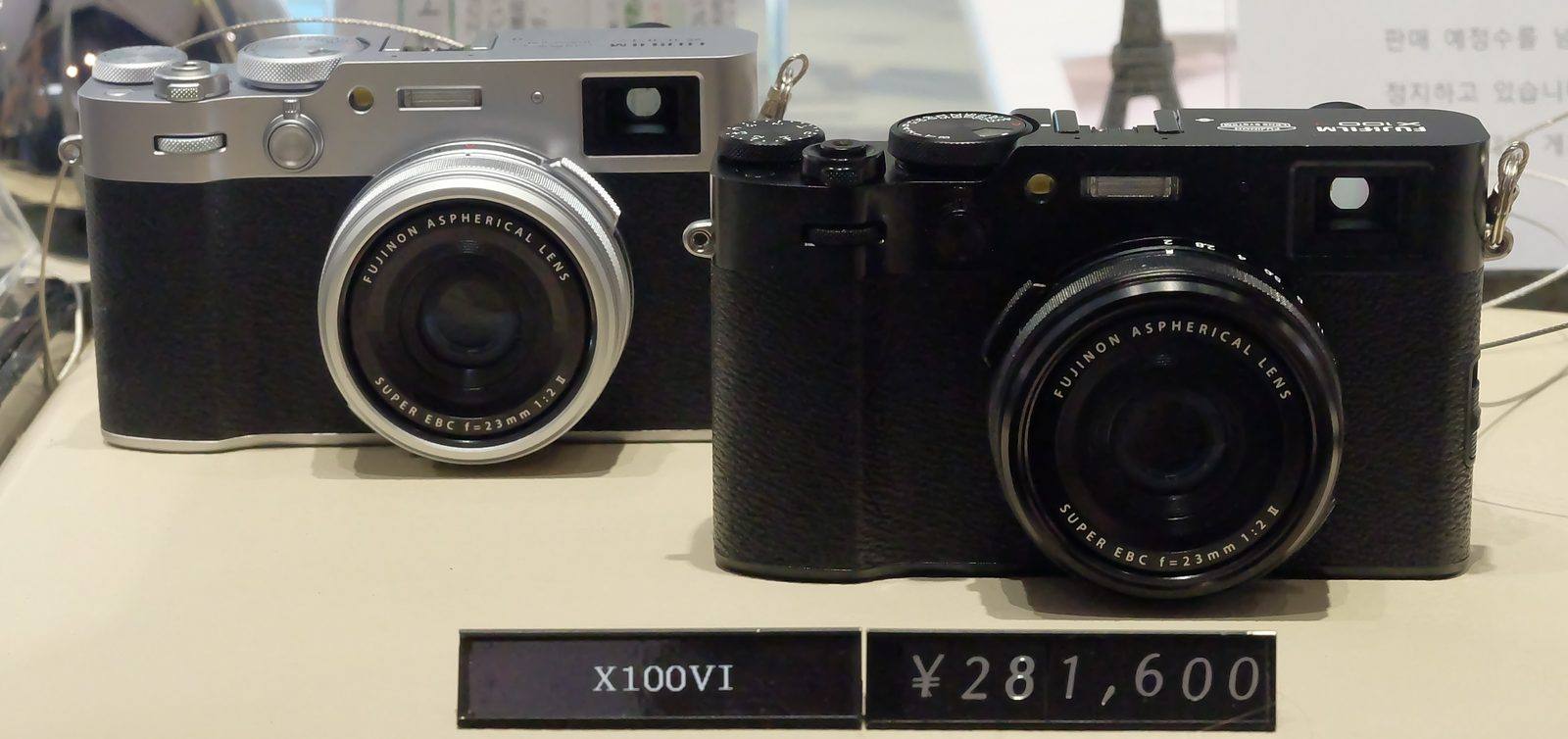
The segment picture is stark. Of 7.0 million interchangeable-lens cameras shipped in 2025, mirrorless took 6.31 million, 90 percent, while DSLR shipments fell 31 percent to 691,000, their sixth straight annual decline. The surprise of 2025 was the fixed-lens compact: shipments jumped 30 percent to 2.44 million units, about a quarter of all CIPA volume, driven by premium fixed-lens models like the Fujifilm X100VI and by a generation of young buyers discovering older digital compacts. The compact is no longer a dying category; it is a fashion object.
Why the headline numbers mislead
Shipment counts flatter volume and hide value. The most instructive correction of the year concerned Fujifilm, which appeared to leapfrog Nikon into third place. Production data showed that of Fujifilm's 1.16 million cameras, only about 750,000 were interchangeable-lens mirrorless bodies; the rest were lower-priced Instax and half-frame models. Nikon, with almost no compacts left, remained comfortably ahead in mirrorless. Units are not revenue, and revenue is not profit. The premium market is better read in tiers than in totals.
The tiers above the volume market
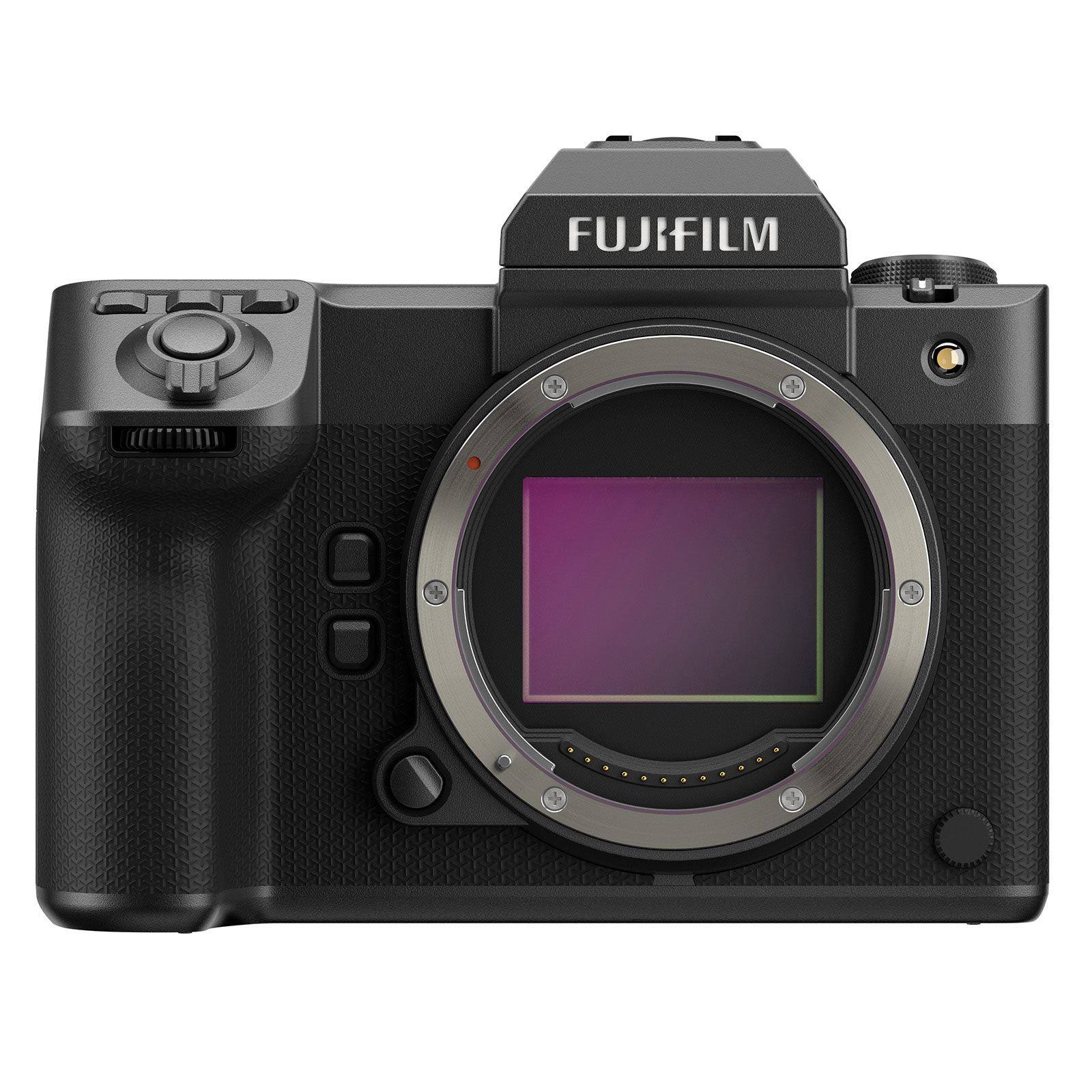
Above the mass mirrorless market sit four premium tiers, each with its own economics. Full-frame flagship mirrorless is the top of the volume pyramid. Medium format, from Fujifilm's GFX line to Hasselblad's X system to Phase One's 150-megapixel backs, sells resolution and tonal depth to professionals at prices an order of magnitude higher. The rangefinder tier is essentially one company, Leica, selling mechanical continuity: the M bayonet introduced in 1954 still accepts today's lenses. And cinema, led by ARRI, operates on rental economics where a camera body is a revenue asset, not a consumer purchase. These tiers are small, profitable, and largely insulated from the unit-count wars below them. That insulation is the whole business model.
Spotted an error? We correct openly: see our corrections policy.