retrospective
A Decade of the X System: Hasselblad's Mirrorless Medium Format, 2016 to 2026
Ten years from the X1D to the X2D II 100C. A specification-level retrospective of the system that shrank medium format.
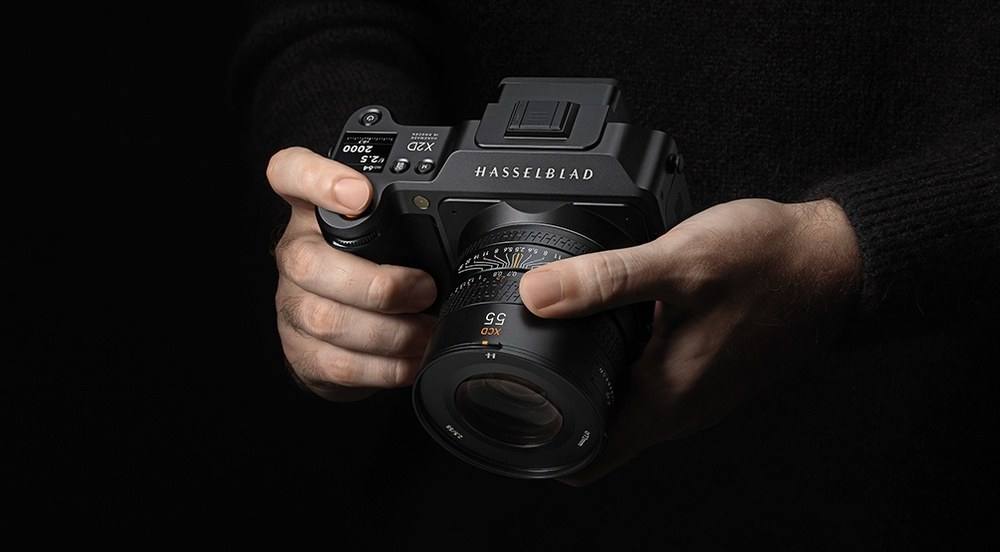
Hasselblad
Nothing here has been physically tested; it is a retrospective assembled from published specifications, launch records and the manufacturers' own documentation, tracing how Hasselblad's X system evolved across a decade. That evolution is worth tracing precisely, because the X system did something no medium-format line had done before: it made the format handle like a camera rather than an obligation.
Some context first. Hasselblad was founded in Sweden in 1941, and its cameras documented the first humans on the Moon; the company's own historical materials note that twelve Hasselblad cameras remain on the lunar surface. In 2016, marking its 75th year, the company announced the X1D-50c on 22 June: the world's first mirrorless medium-format digital camera, pairing a 51-megapixel, 43.8 by 32.9mm CMOS sensor with a compact, rangefinder-style body and a new XCD lens mount with leaf shutters.
Refinement, then reinvention
The X1D II 50C, announced in June 2019 and shipping that July at $5,750, was a usability overhaul rather than a sensor upgrade: faster operation, a larger 3.6-inch touchscreen, a 3.69-million-dot OLED viewfinder and a lower price. The same month brought the 907X with the CFV II 50C digital back, folding the system into Hasselblad's modular heritage. The formula was now set: medium format, mirrorless, leaf shutter, Scandinavian restraint.
The X2D 100C, announced on 7 September 2022 at $8,199, was the genuine second generation. Resolution doubled to a 100-megapixel backside-illuminated sensor with 15 stops of dynamic range and 16-bit color; a five-axis, seven-stop in-body stabilization system steadied it; phase-detection autofocus replaced contrast-only focusing; and storage moved to a built-in 1TB SSD alongside a CFexpress Type B slot. The 5.76-million-dot electronic viewfinder and tilting touchscreen completed a camera that finally felt finished.
The second generation matures
In August 2025 Hasselblad announced the X2D II 100C at $7,400, and the official store now lists the original X2D 100C as succeeded by its next evolution. The Mark II adds continuous autofocus with subject detection, stabilization rated at ten stops, and what Hasselblad describes as the first true end-to-end HDR in a medium-format camera, its Natural Colour Solution with High Dynamic Range recording HDR HEIF and Ultra HDR JPEG files viewable on the camera's 1,400-nit display. It launched alongside the XCD 2.8-4/35-100E standard zoom at $4,600.
Read as a specification sheet across ten years, the arc is clear: 51 to 102 megapixels, no stabilization to ten stops, contrast AF to continuous phase detection with subject tracking, dual SD slots to a terabyte of internal SSD, a 2.36-million-dot finder to 5.76 million. The lens system kept pace; Hasselblad's XCD line stood at eighteen lenses by mid-2026, spanning compact P-series primes, versatile V-series f/2.5 primes like the 55V, and the newer E-series zooms.
The X system's achievement is best measured against what came before it. Medium format spent decades as the format you used when nothing else would do, tethered to tripods and studios. Ten years after the X1D, it is a format you can carry. That transformation, more than any single specification, is what the decade built.
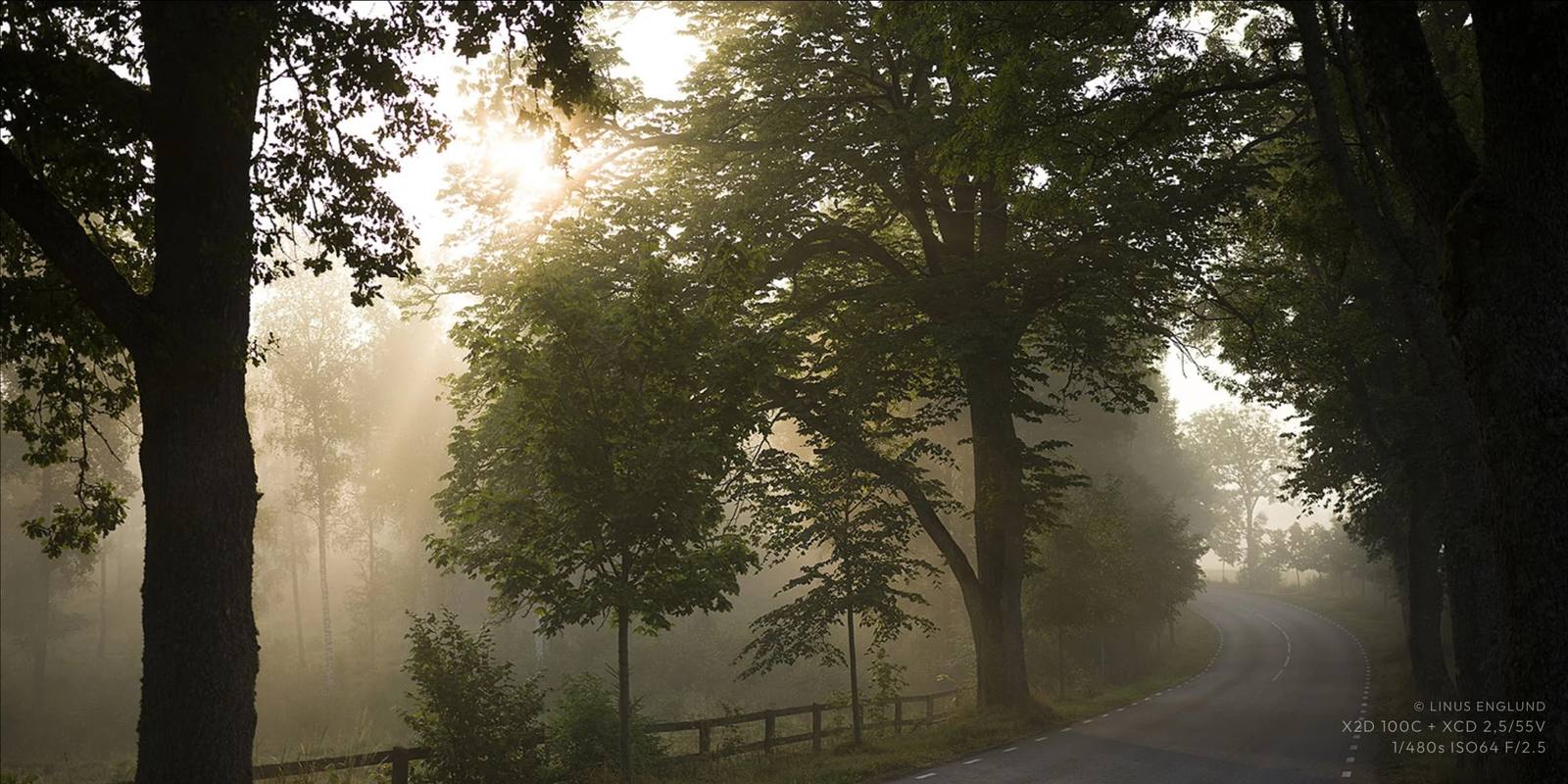
Hasselblad
Spotted an error? We correct openly: see our corrections policy.