explainer
How Camera Provenance Affects Collector Value
Two identical-looking cameras can sell for wildly different sums. The difference is usually not the metal and glass, but the paper trail behind them.
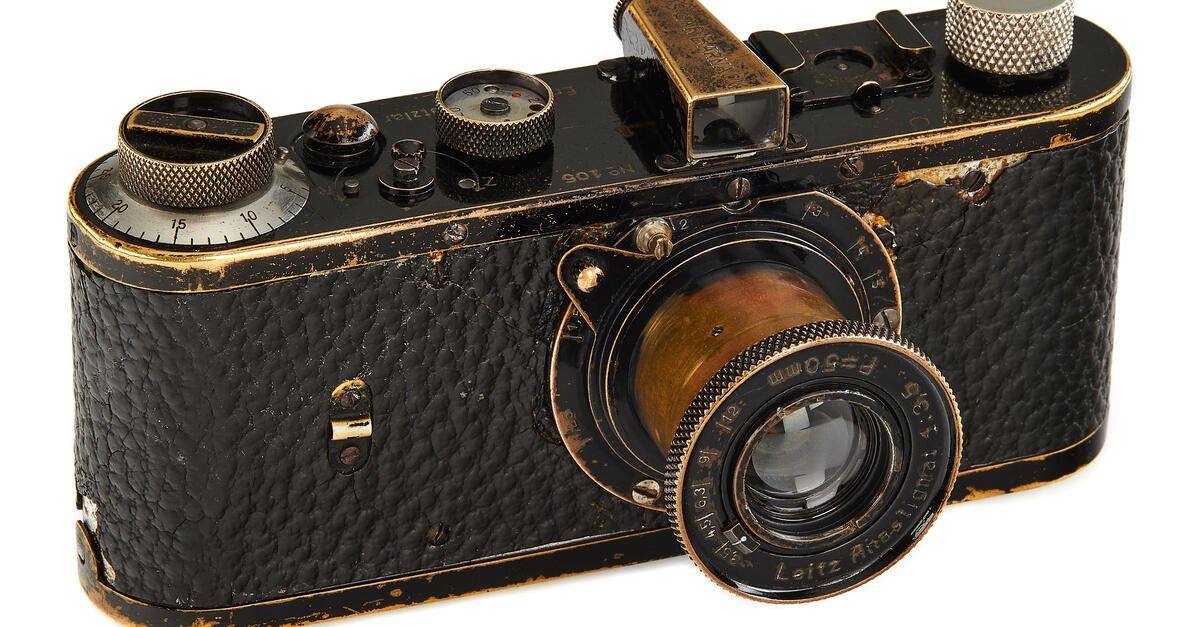
Leica Camera AG
In June 2022, a nearly century-old camera sold at the 40th Leitz Photographica Auction in Wetzlar for €14.4 million including buyer's premium, the highest price ever paid for a camera. The camera was a Leica 0-Series prototype, No. 105, and its estimate had been €2 to €3 million. The reason the bidding ran to five times the estimate was not condition alone. It was provenance: No. 105 had belonged to Oskar Barnack, the inventor of the 35mm camera, whose name is engraved on the top of its viewfinder.
Provenance, the documented history of who owned an object and where it has been, is the single most powerful multiplier in the collectible camera market. A serial number tells you when a camera left the factory. Provenance tells you whose hands it passed through, and collectors pay for the story as much as the object.
What counts as provenance
The strongest provenance is primary documentation: factory delivery registers, original purchase receipts, letters from the maker, service records from the manufacturer, and photographs of the camera in use by a notable owner. The Leitz factory's own delivery register, for example, records that 0-Series No. 103 went to a mining assessor named Kipper in Oberhausen, a detail that will matter enormously when that camera comes to auction this October with an estimate of €1.5 to €2 million, in part because it later passed through the collection of Rolf Fricke, a founder member of the Leica Historical Society of America.
Secondary evidence helps too: inclusion in a published collection, exhibition catalogues, and a continuous chain of ownership through respected dealers and auction houses. What weakens provenance is a gap. A camera that was "found in an attic" with no supporting history invites questions about theft, reassembly from parts, or later modifications, and the market prices that uncertainty in.
Originality is part of the story
Provenance and originality are linked. A famous previous owner matters less if the camera has been repainted, re-covered, or rebuilt with later parts. The market's verdict is consistent: cameras in original, untouched condition with documented history command the strongest results. The Wetzlar Camera Auctions explains the logic plainly in its sale notes on black-lacquer Leica M models of the 1950s: the finishes were produced in small numbers, the cameras were heavily used, and many were later fitted with replacement components during factory repairs, which is why survivors in original condition achieve exceptional prices. One early black-lacquer M3, used internally at the Leitz factory, sold for €625,000.
How to read an auction result
None of this means a record price sets a market. The €14.4 million for No. 105 was the product of a unique object, two determined bidders, and a landmark sale. A single result is a data point, not a trend, and asking prices on dealer sites are not completed sales. Treat any claim that a category of camera is "going up" with skepticism unless it is supported by a series of comparable, completed, documented sales. Provenance rewards the patient: buy the history you can verify, keep every document, and never pay a provenance premium for a story no one can prove.
Spotted an error? We correct openly: see our corrections policy.