explainer
Understanding Camera Auction Prices
Estimate, hammer, and price realized are three different numbers. Misreading them is how collectors overpay.
Leitz Photographica Auction
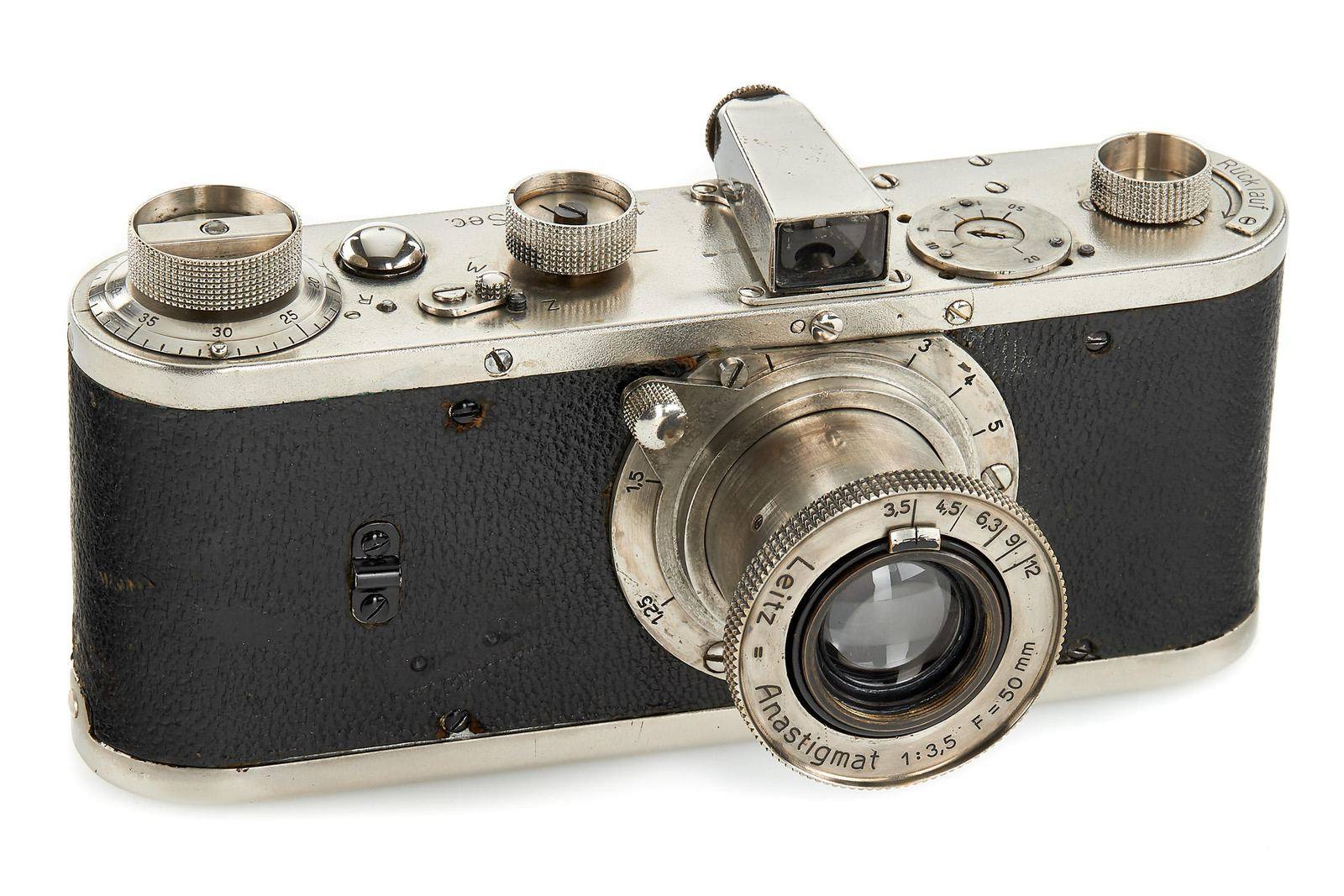
Every auction headline quotes a single number, but every auction price is really three numbers, and confusing them is the most common mistake in the collectible camera market. Take the Leica 0-Series No. 122 sold at WestLicht in Vienna in 2018. The catalogue estimate was €700,000 to €900,000. The hammer fell at €2 million. The price realized, the number the buyer actually paid, was €2.4 million. Three numbers, one sale.
Estimate, hammer, price realized
The estimate is the auction house's published opinion of where bidding should land. It is marketing as much as analysis: set it low and you attract bidders, set it high and you flatter the consignor. The hammer price is the winning bid, the number the auctioneer cries when the gavel falls. The price realized adds the buyer's premium, the auction house's commission, on top. At Leitz Photographica Auction the standard terms add 20 percent to the hammer price, rising to 25 percent for bids placed through online platforms, with further VAT treatment depending on where the lot ends up. On a million-euro hammer, the premium alone is the price of a very fine camera.
This is why the No. 105 record is quoted as €14.4 million, not the hammer figure: that is the price realized, premium included. When you compare results across houses and years, always compare like with like, and always ask whether the quoted number includes the premium. A surprising number of published "records" do not.
What the numbers cannot tell you
An auction result describes one object, one room, one day. It does not describe a market. The No. 105 result says that two bidders wanted Barnack's own prototype more than €14 million worth; it says nothing about what your M6 is worth. Be equally careful with unsold lots, which the trade calls bought-in: a lot that fails to reach its reserve tells you the reserve was optimistic, not that the camera is worthless. And treat online asking prices as advertisements, not data. A price is only real when the gavel has fallen and the invoice is paid.
A short checklist before you bid
Read the conditions of sale, including the exact buyer's premium and tax treatment for your situation. Set your maximum as a price realized, then work backward to your maximum hammer bid. Inspect the lot or pay for a condition report; auction descriptions disclaim a great deal. Finally, remember that the premium, the shipping, the insurance, and any import duty are all part of the acquisition cost. The disciplined bidder is the one who knows the all-in number before the bidding starts, not after it ends.
Spotted an error? We correct openly: see our corrections policy.